Workflow automation tools
Handing repetitive comparing, copying and report tidying to software. We build one small tool first and measure the time it saves.
What takes the most time in many companies is not complex work but a repetitive routine: checking a quote against an order line by line, combining several spreadsheets into one report, or looking up prices online every day and pasting them back. None of it is hard, but it eats hours and is exactly where things get missed.
For needs like these we build a small tool that handles just that routine. After using it for a while, once it clearly saves time and the results are reliable, we decide together whether to extend it or connect it to your other systems.
Common needs
AI comparison of two documents
For example, a quote and an order, or two versions of a specification, with differences in quantities, specs or terms listed alongside where they appear, for a person to confirm.
Excel reports tidied automatically
For example, merging spreadsheets from several branches or sales staff into one, with consistent columns and formatting, produced again whenever a new file is dropped in.
An end to copy, paste and manual matching
For example, matching data exported from one system against another sheet automatically and highlighting anything that does not line up.
Scheduled data fetching with alerts
For example, checking market prices or a website's announcements every day and sending an alert when something changes. Our stock and margin system updates market prices on a daily schedule in exactly this way.
File indexing and search
An index over years of accumulated files, so a few words bring up the right one while the files stay exactly where they are.
Content and structure kept in sync
Update one side and the other follows, for example English community channels that mirror changes made to the Chinese ones.
Automatic checks and reminders
Websites and systems are checked on a schedule, and the right person is alerted as soon as something is wrong.
How we work
Watch how it is done today
The person responsible walks us through the task once, and we note each step, the time it takes and where mistakes usually happen.
Build a small tool first
We target only the part that takes the most time, with a tool you can use straight away, rather than rushing into a large system.
Measure the time saved
After a period of use we compare time spent and errors with the old way, to confirm it is worth going further.
Then decide whether to extend it
Once it proves useful, we decide together whether to add features, open it to more people, or connect it to your other systems.
A person makes the final call
Differences and results found by the software or AI are confirmed by a person before anything is sent. The tool does the tedious part; judgement stays with people.
When it fits
- Someone checks two documents or two systems against each other every day
- Month-end reporting takes several people's time
- Data has to be looked up online on a schedule and pasted back into a sheet
- You want to try automation but are not sure it justifies a full system
Related work
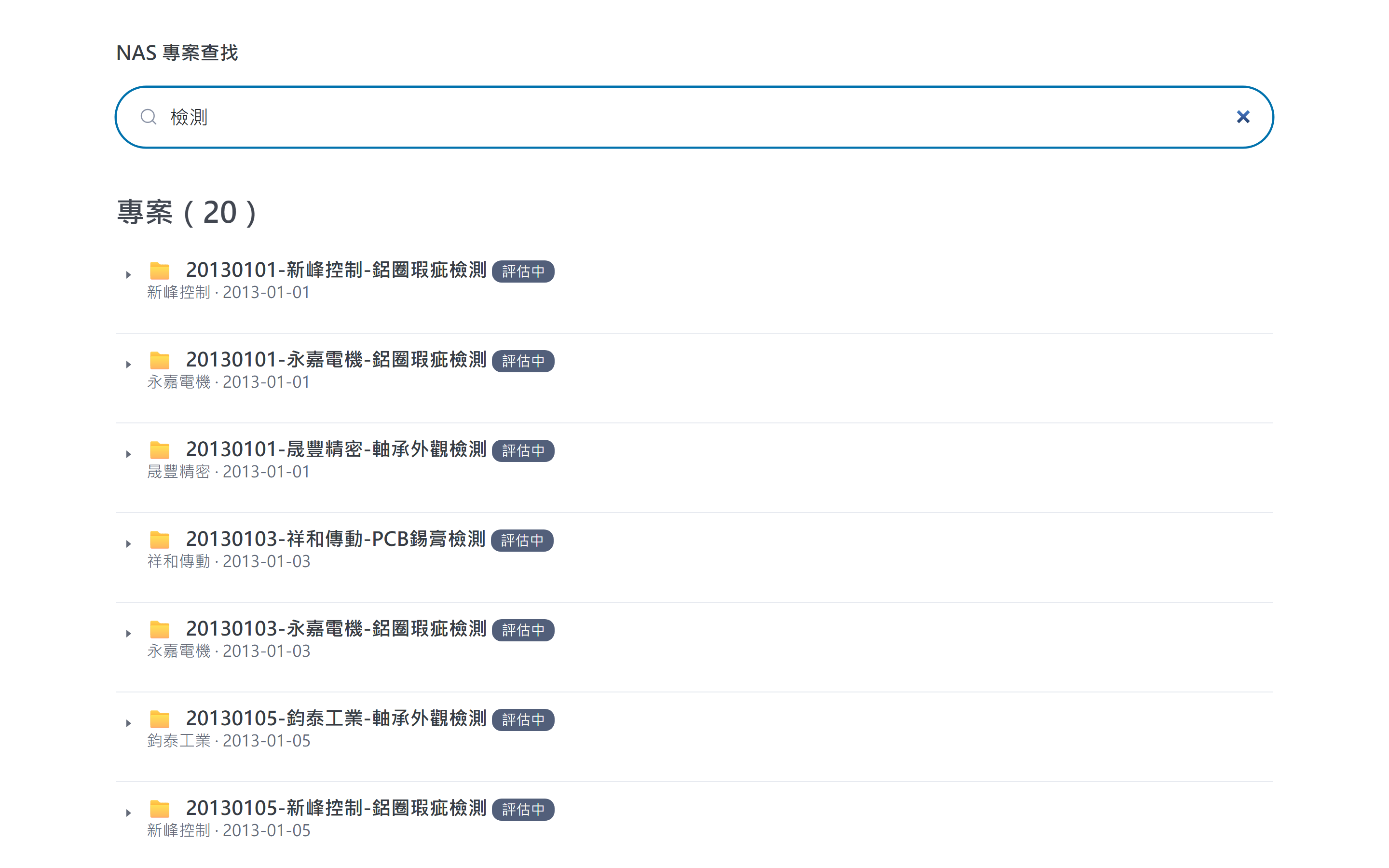
Project Archive Search
An index layer over the files, searchable as you type
Bilingual Discord Mirror
Channel structure mirrored automatically, in both directions
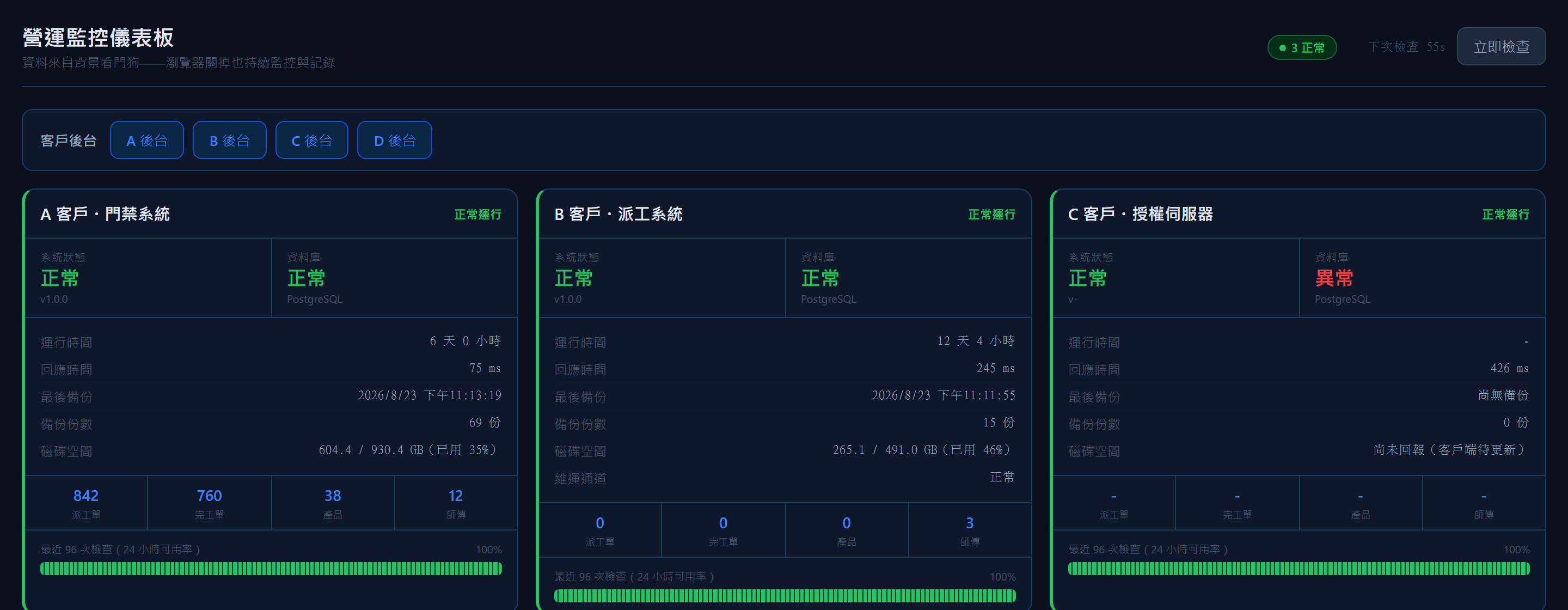
Operations Monitor
A health check every minute, so you hear it first
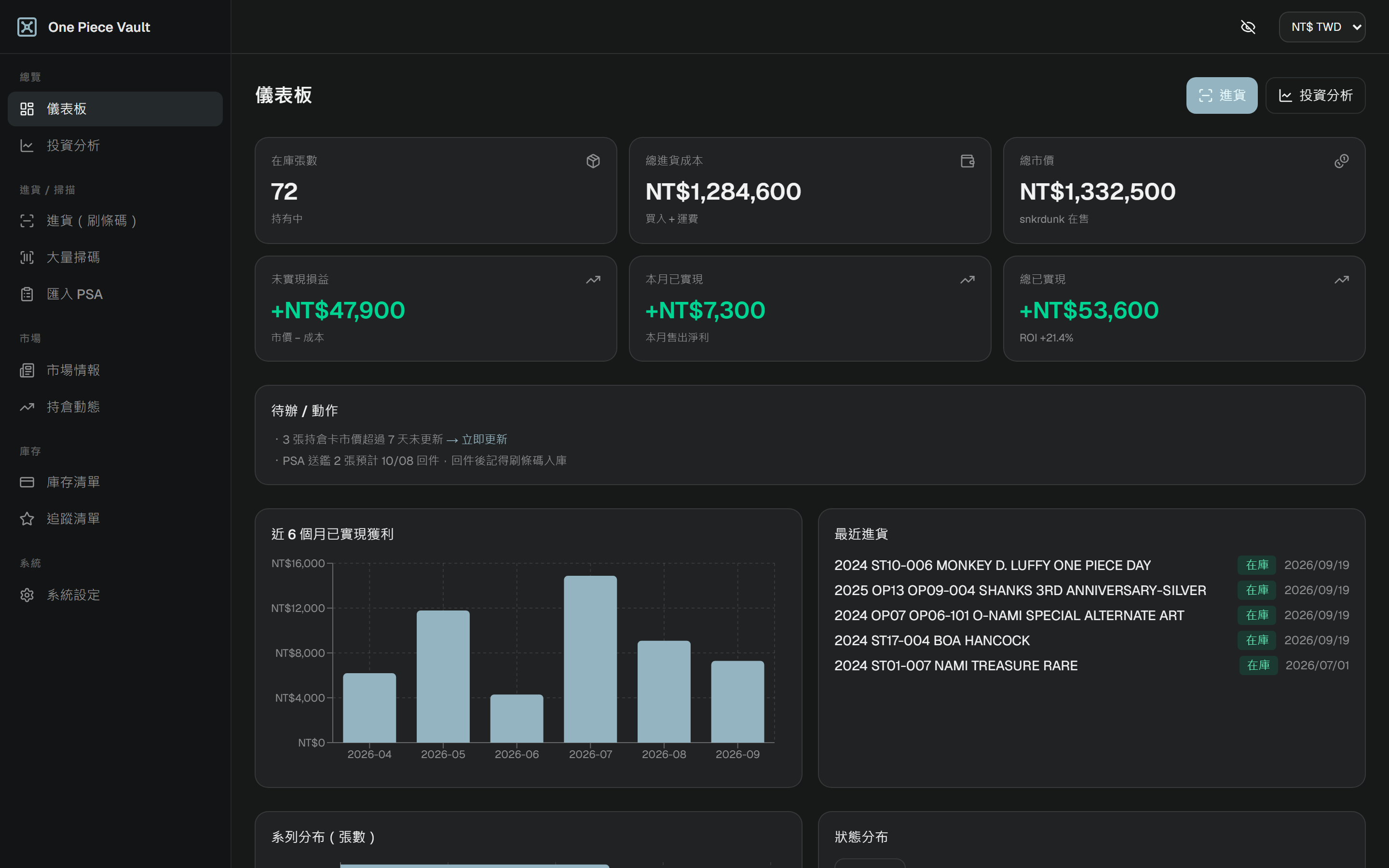
Inventory and P&L System
Inventory and margin, with prices that update themselves
You might also need
Common scenarios for this service. These are examples, not completed client projects.
spot the differences between two PDFs
A purchase order and the supplier's confirmation often differ in small ways — an item name, a quantity, a delivery date — and line-by-line reading misses them. A small tool can have AI read both PDFs, compare them field by field and highlight every mismatch for a person to confirm.
pick the items, get the quote
Every quote starts by copying an old file, changing the customer name and looking up the latest prices, and soon nobody is sure which version went out. Instead, sales can tick items and quantities on a web page, have the right price tier applied and produce a consistent quote, with every version kept on record.
a LINE message before you run out
Best-selling items tend to run out quietly, and the shop finds out when a customer asks. Set a safety level for each item; once stock drops below it, the person who reorders gets a LINE message with the current count and the last delivery.
machine readings collected into reports
Output, temperatures and downtime are still written down by a supervisor walking the line. Reading values directly from the PLC or the machine's own interface, a program can build per-shift and daily reports and log when each stoppage started and ended, so nobody has to reconstruct it from memory.
merging everyone's Excel files automatically
At the start of each month, head office copies and pastes spreadsheets from every branch into one master sheet, fixing columns by hand whenever the layout differs. A small tool can read a folder, line files up by column name, merge them and list any file that doesn't fit the format.
matching invoices to bank receipts
Each month the accountant matches issued invoices against bank deposits one by one, and combined payments or deducted bank fees make it slow. Once both lists are imported, entries are matched by amount, customer and date, and whatever doesn't match is collected on one list — the accountant only handles the exceptions.
Questions
How is a small tool different from a system?
A small tool handles one specific task, so its scope is small and its value is quick to confirm. If it works well and the needs grow, it can become a system later.
Can AI make mistakes when comparing documents?
It can, which is why the tool lists each difference with its location in the original for a person to check. Its job is to make sure nothing is missed, not to make the decision for you.
Our files are messy. Can you still work with them?
Send us a few real examples. Once we have looked at the patterns and exceptions, we will suggest a suitable approach.
Would you like to talk through your situation?
No specification needed. Tell us which part of your work takes the most time, and we will look at the right approach together.